Begin With What People Can Read.
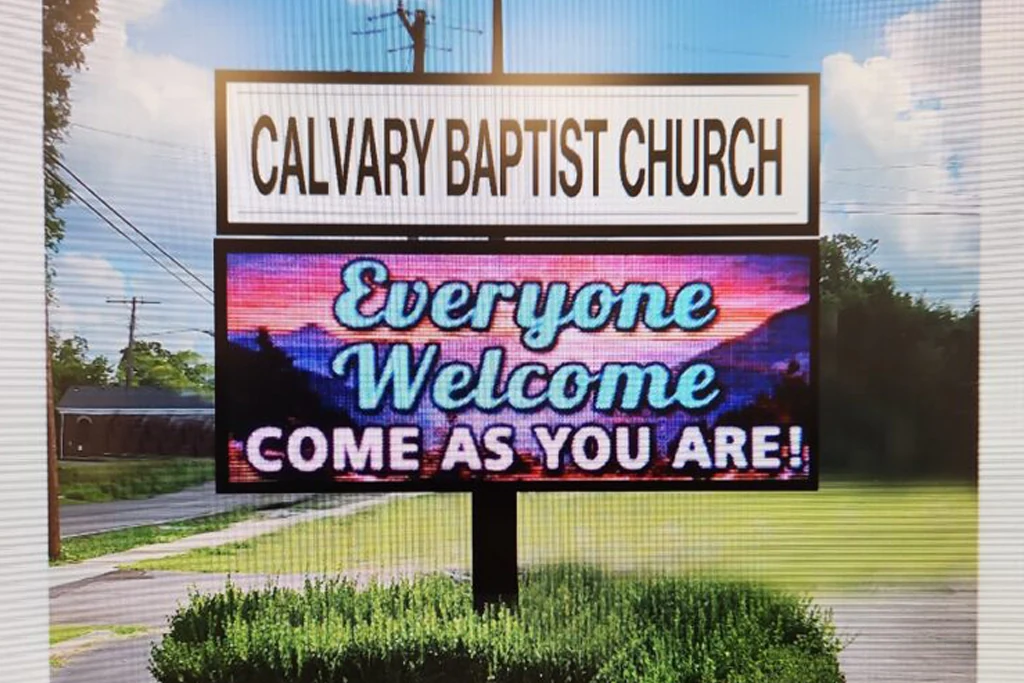
The best starting point is the view from the road. Look at the church property from the approaches visitors use, then consider the setback and the length of time people have to see a message. Suntronics' buying guidance treats sign size, pixel pitch, location and messaging goals as connected decisions. A church name, service time and event invitation need clear hierarchy rather than competing for the entire screen at once. Bring site photographs and sample messages to the discussion. They provide a practical basis for reviewing an outdoor display without selecting a cabinet solely because it fits an existing sign outline.
Give Every Message A Clear Purpose.
A church message center can be used for service information, special events and other timely announcements, but its effectiveness depends on the content people see. Build a simple plan for who prepares messages, who checks dates and who removes information after an event. SunSkills recommends short messages, strong contrast and large text for roadside audiences. Use those principles to keep the screen readable rather than treating it like a printed bulletin. Discuss the intended update workflow and the available connectivity for the site so the responsibility for maintaining the sign is clear before the project is complete.
Look Beyond The Day Of Installation.
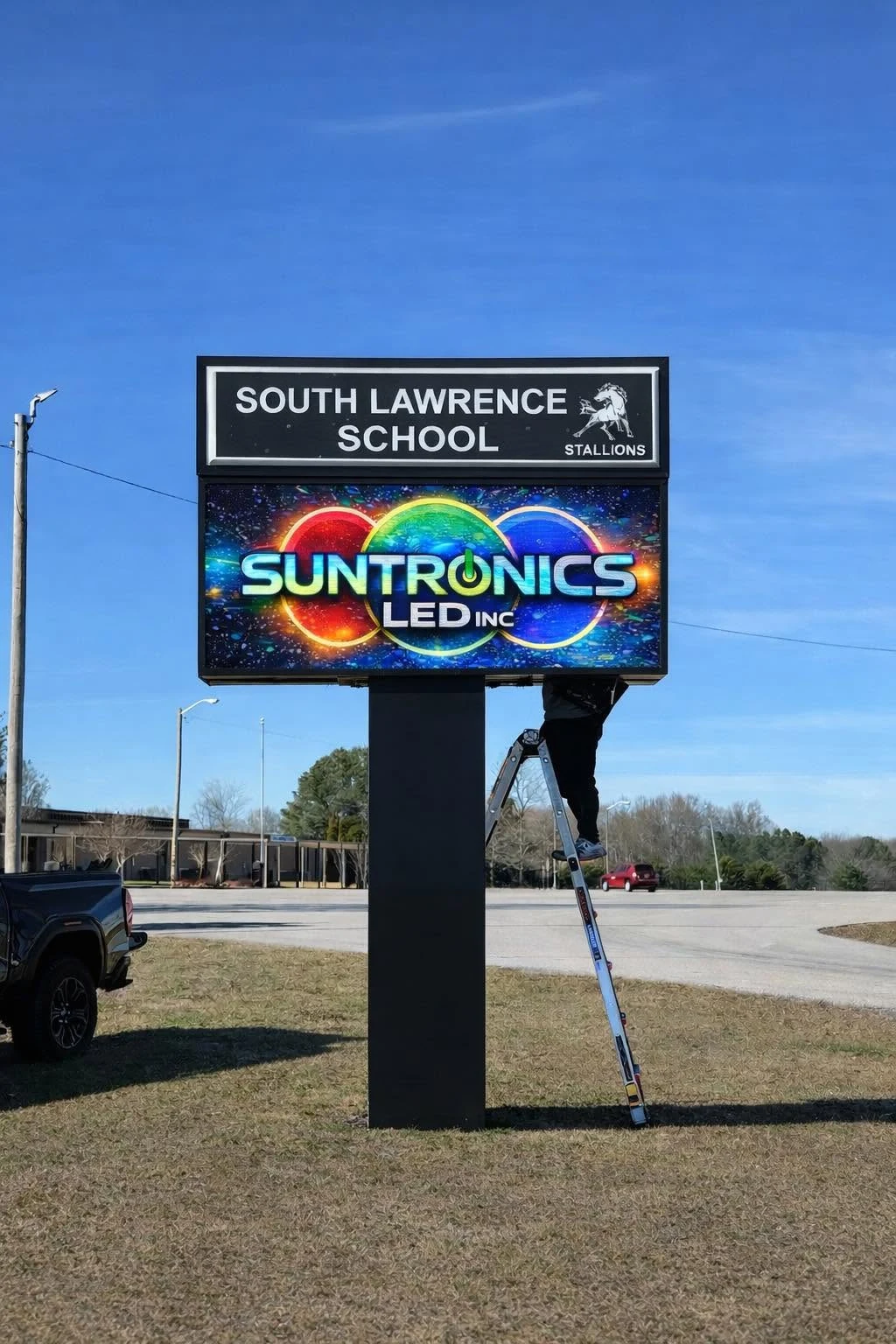
A church sign becomes part of a routine that may be shared by office staff and volunteers. Suntronics' published approach includes installation, training and long-term support, with a Rogersville facility customers can visit. Talk through the selected system's operation and the people who need to learn it. Ask how to recognize basic power, signal or network issues and where to find help when the usual operator is unavailable. The public site also notes that local rules remain the customer's responsibility; discuss what information may be needed for the municipality before treating any particular sign arrangement as approved.