Design For The Room, Not Just The Wall.
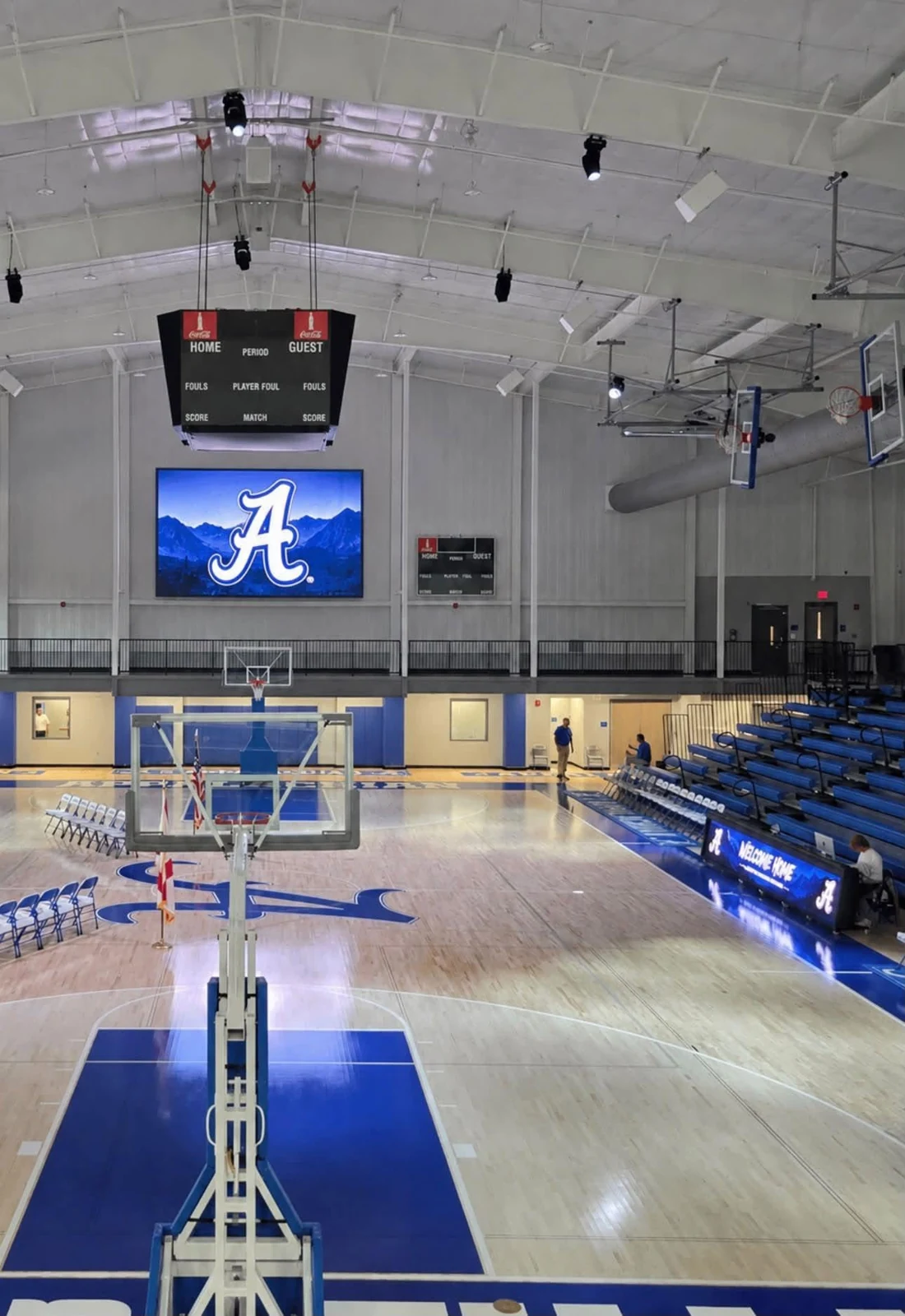
A gym display needs to make sense from the bleachers, the floor and the locations used for assemblies. Start with photographs of the room, the available wall space and the closest audience positions. Suntronics' guidance connects display size and pixel pitch with the way a screen will be viewed; indoor decisions should therefore begin with the room's real geometry. Consider the content as well. Large school graphics and presentation text place different demands on the canvas. Discuss the proposed mounting location and access requirements during planning so the visual ambition and the practical installation are considered as one project.
Build A Canvas For School Life.
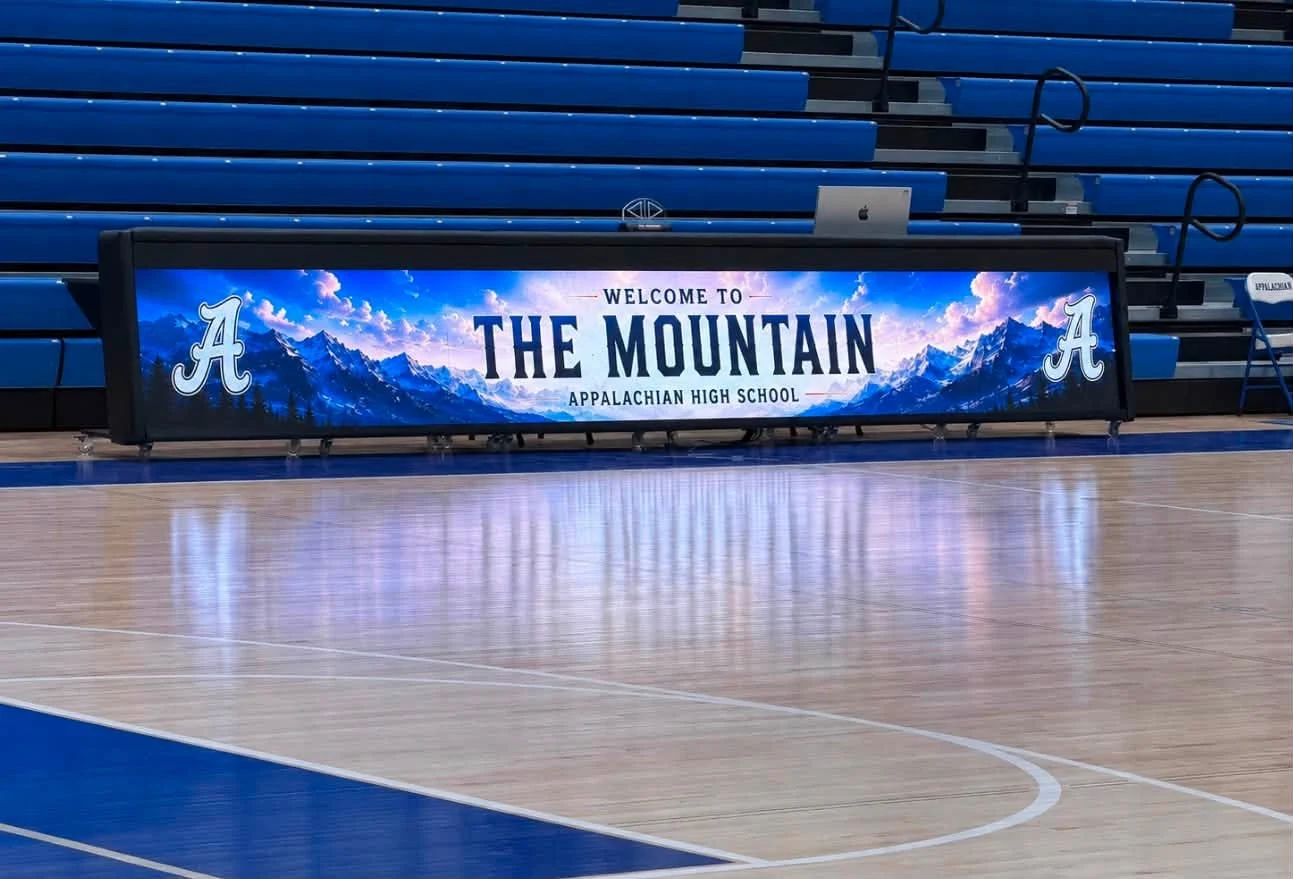
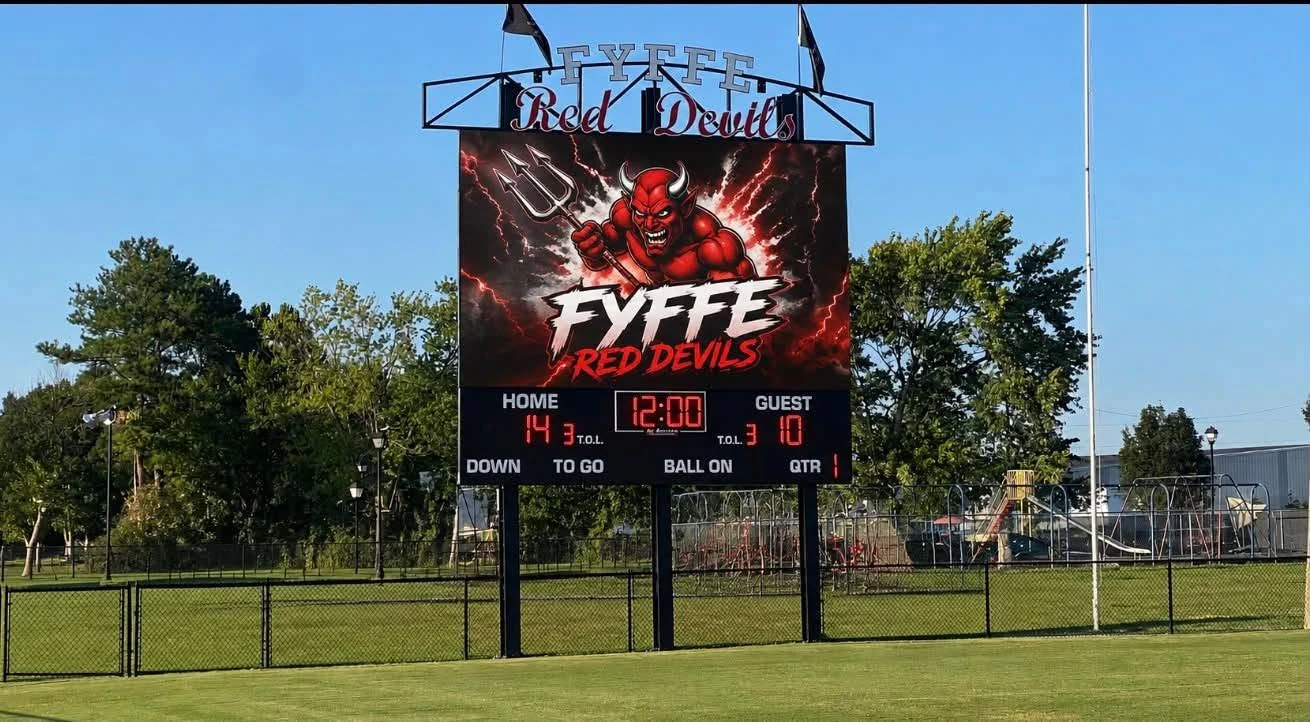
A useful gym video wall needs an intentional content plan. Make a list of game-day graphics, sponsor messages, school announcements, presentation slides and videos the staff wants to show. Then discuss how those items will reach the display and what source devices will be involved. SunSkills explains the importance of matching the source resolution to the LED canvas and preparing media at the correct proportions. Those decisions matter for a presentation just as much as a basketball event. Establish a dependable layout and content workflow before commissioning a large collection of graphics that may not fit the final screen.
Keep The Operator Experience Simple.
Schools often rely on several people to run the same space. A coach, activities coordinator, student operator or substitute staff member may need to start a presentation. Suntronics supports customers with training and technical resources, including guidance for extended displays, local media and event playlists. Use those principles to document the working setup for the selected system. Identify the source device, note the correct settings and keep approved content organized. An agreed routine for testing power, signal and the complete screen before an event helps the school make better use of the technology it has chosen.